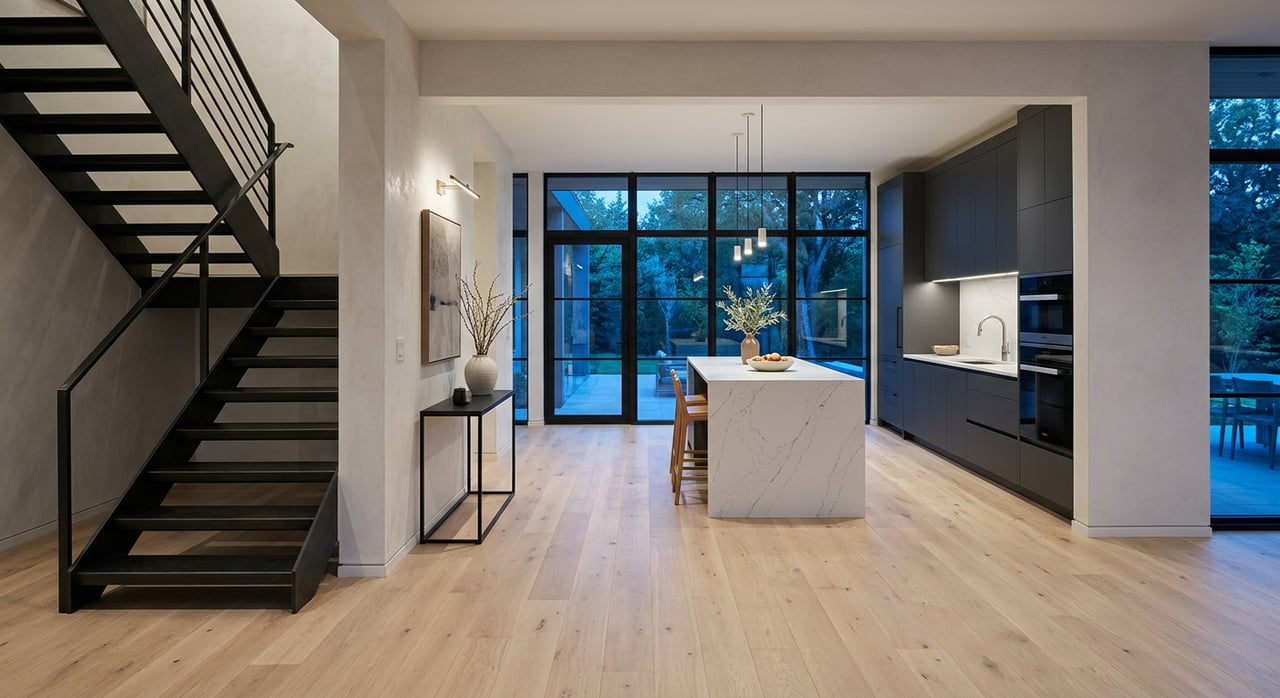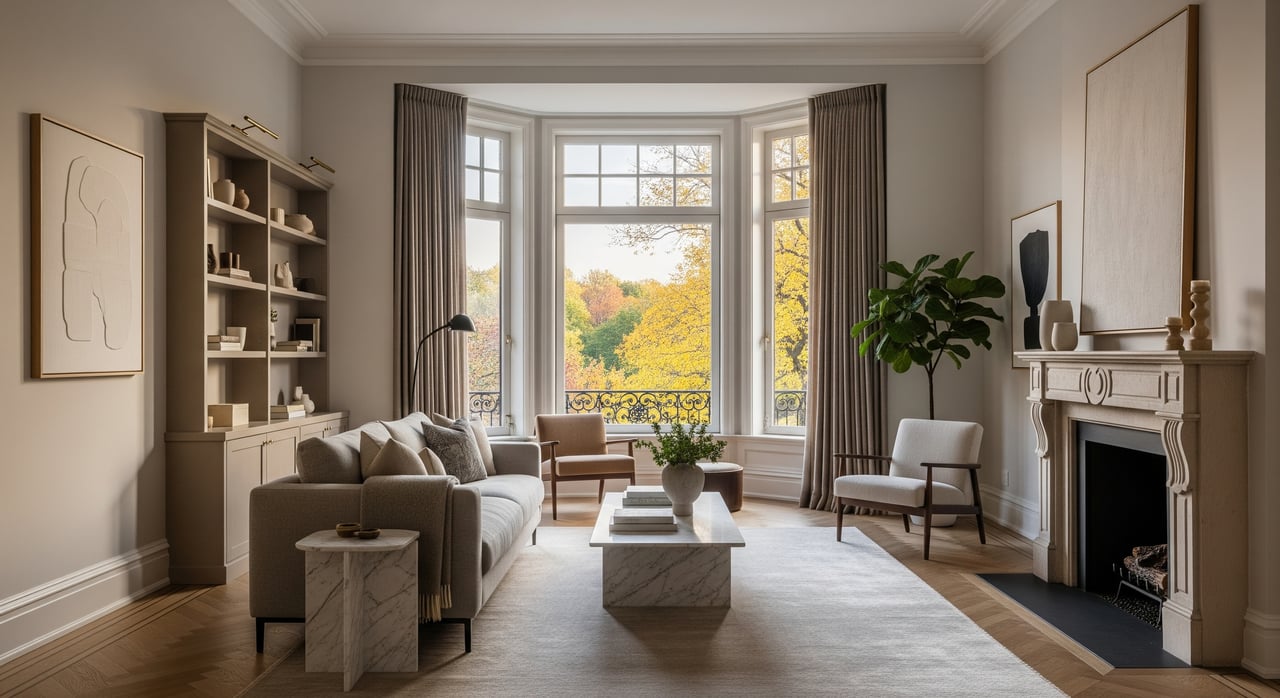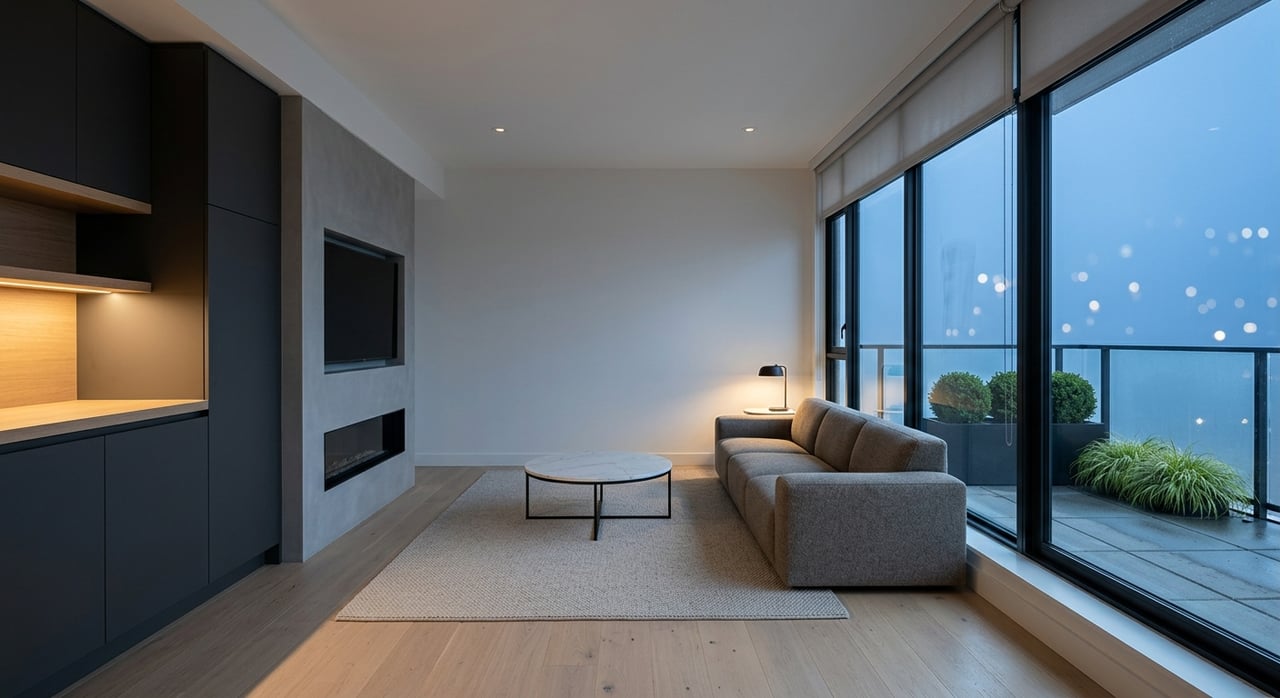
Looking for a Toronto home that feels effortless from day one? If you want a polished city base in one of the most walkable pockets of downtown, Yorkville often rises to the top of the list. For buyers who value convenience, design, and a low-friction ownership experience, buying a turnkey pied-à-terre here can make a lot of sense. Let’s look at what makes Yorkville stand out, what to review before you buy, and which ownership details matter most.
Why Yorkville Fits a Pied-à-Terre
Yorkville offers something many condo districts do not: a compact, amenity-rich setting where daily needs, dining, culture, and services are all close at hand. According to the City of Toronto’s Bloor-Yorkville BIA overview, the area includes more than 700 businesses, from boutiques and restaurants to galleries, hotels, spas, and health-care providers.
That density supports the kind of ownership experience many pied-à-terre buyers want. You can arrive for a few days or a few weeks and settle in quickly, without depending heavily on a car or long travel times across the city.
The public realm also adds to Yorkville’s appeal. The BIA notes more than $20 million has been invested in Bloor Street improvements, including wider sidewalks, trees, benches, lighting, and landscaping. Those upgrades help make the neighbourhood feel polished, comfortable, and easy to navigate.
Yorkville’s Character Is Protected
Part of Yorkville’s draw is that its streetscape and retail environment are not accidental. The City’s Bloor-Yorkville Secondary Plan overview explains that planning policies aim to protect the area’s special character, public realm, and active street-level uses.
Priority Retail Street policies matter here. On streets such as Yorkville Avenue, Cumberland Street, Hazelton Lane, Bellair Street, and Avenue Road, active ground-floor retail and service uses are meant to remain part of the neighbourhood mix. For you as a buyer, that helps support the lively, service-oriented environment that often makes Yorkville attractive as a second home or city base.
What “Turnkey” Should Mean to You
A turnkey pied-à-terre is not just a well-staged condo with nice finishes. In practice, it should also mean fewer ownership surprises, fewer building issues, and fewer lifestyle compromises.
That is why the building often matters as much as the suite itself. If you will use the home part-time, day-to-day reliability becomes especially important.
Prioritize Building Operations
A professionally managed building can make ownership much smoother. The Condominium Authority of Ontario’s buyer guide explains that common expenses may cover maintenance, management, insurance, garbage, snow removal, landscaping, and security.
You should also pay close attention to the reserve fund. Reserve-fund studies are designed to assess whether the condo corporation is positioned to handle major repairs and replacements over time. For a pied-à-terre buyer, that can be a key signal of whether the building is likely to feel predictable or expensive in the wrong way.
Compare Practical Features
When you are screening Yorkville condos, practical details deserve real weight. Features that may seem secondary in a full-time home can become essential in a part-time residence.
Focus on points such as:
- Concierge or security presence
- Elevator reliability
- Package handling procedures
- Visitor parking availability
- Storage or locker options
- Move-in and delivery logistics
These are not legal requirements, but they can shape how easy the home is to own and use.
Documents to Review Before You Firm Up
On a resale condo, one of your most important due diligence steps is reviewing the status certificate. The Condominium Authority of Ontario’s status certificate guide says this package can include the declaration, bylaws, rules, budget, reserve-fund information, arrears, special assessments, insurance details, and litigation status.
That matters because a beautiful turnkey suite can still come with building-level risks. Rules around pets, smoking, and short-term rentals may also affect whether the property fits how you actually plan to use it.
Your Yorkville Condo Review Checklist
Before waiving conditions, make sure your review covers:
- Status certificate
- Reserve-fund study
- Declaration
- Bylaws
- Rules
- Current budget
- Insurance information
- Litigation status
- Any disclosure relating to special assessments
The CAO notes that a condo corporation must provide a status certificate within 10 days for up to $100 including tax and materials. That makes it a standard and essential step, not an optional extra.
Taxes and Rules That Can Affect Your Plan
Pied-à-terre ownership can be straightforward, but only if the tax and usage rules line up with your situation. This is especially important for out-of-town buyers, non-resident buyers, and anyone thinking of occasional rental use.
Foreign Buyer Restrictions
As of 2026, the federal Prohibition on the Purchase of Residential Property by Non-Canadians Act generally bars non-Canadians from buying residential property in Canada until January 1, 2027, subject to exceptions. The federal definition of residential property includes condominium units.
If you are buying from outside Canada or through an ownership structure that raises residency questions, this issue needs to be clarified early.
Land Transfer and Speculation Taxes
In Toronto, closing costs can include both provincial and municipal land transfer tax. For some foreign buyers, additional taxes may also apply.
According to the Government of Ontario’s Non-Resident Speculation Tax guidance, Ontario’s Non-Resident Speculation Tax is 25% provincewide for purchases by foreign nationals, foreign corporations, and taxable trustees. The research also notes that Toronto adopted a 10% Municipal Non-Resident Speculation Tax effective January 1, 2025 for certain foreign buyers, in addition to the Municipal Land Transfer Tax.
Can a Pied-à-Terre Sit Empty?
It can, but you need to understand the tax consequences. The City of Toronto’s Vacant Home Tax page says owners must file an annual declaration, and the 2025 tax rate is 3% of Current Value Assessment.
In general, a home that is vacant for more than six months in a calendar year may be taxable unless an exemption applies. If the property is not your principal residence, this is one of the most important ownership details to review before buying.
There may also be a federal layer. The CRA’s Underused Housing Tax information explains that this is an annual 1% tax on vacant or underused housing, and that foreign nationals are generally affected owners, while many Canadian owners are generally excluded owners. Some ownership structures may still create filing obligations, so the structure of your purchase matters.
Can You Rent It Short-Term?
Usually, a Yorkville pied-à-terre should be viewed first as a personal-use property, not as a casual short-term rental investment. The City of Toronto’s short-term rental rules allow short-term rentals only in a principal residence.
Even then, condo bylaws and rules can be more restrictive. That means a suite that looks ideal on paper may not match your intended use if you were hoping for Airbnb-style flexibility.
Market Conditions May Favor Patient Buyers
Yorkville is a premium neighbourhood, but broader market conditions still matter. The TRREB condo market report says Q4 2025 GTA condo sales were down 15% year over year, active listings were up, and the average condo price in the City of Toronto declined from $715,920 in Q4 2024 to $690,607 in Q4 2025.
For you, that can create room to negotiate, especially if you are focused on completed inventory and are willing to wait for the right fit. In a pied-à-terre search, patience often pays because layout, building quality, and rules matter just as much as headline price.
Why Long-Term Supply May Stay Tight
At the same time, prime turnkey product may remain limited over the longer term. CMHC reported that Toronto is on pace for its lowest annual housing starts in 30 years, with condo apartment starts down 60% in the first half of 2025.
In a neighbourhood like Yorkville, where planning policies also aim to protect the public realm and retail character, that can support the long-term scarcity of well-located, high-quality condo inventory. If you are buying for personal enjoyment first and long-term value second, that combination is worth noting.
Transit Still Adds Value
For many buyers, easy movement across the city matters more than a few extra square feet. Yorkville benefits from access to major TTC connections, including Bloor-Yonge Station, a Line 1 and Line 2 interchange and one of the TTC’s busiest stations.
Bay Station is also nearby, and the TTC continues to advance the Bloor-Yonge capacity improvement project. If you are buying from outside Toronto or using the home as a city base, proximity to this transit hub can be a meaningful practical advantage, although nearby construction impacts should also be part of your location review.
What the Best Yorkville Buys Have in Common
The strongest turnkey pied-à-terre is usually not the one with the flashiest lobby or the most dramatic view. It is often the one with the clearest rules, the healthiest reserve planning, the most reliable operations, and the best fit for how you will actually use the property.
In Yorkville, that means balancing lifestyle appeal with disciplined due diligence. When those pieces line up, you can end up with a city home that feels elegant, easy, and genuinely useful.
If you are considering a Yorkville purchase and want discreet, neighbourhood-specific guidance, Jordan Grosman offers a tailored, high-touch approach built around clarity, local expertise, and a smooth buying experience.
FAQs
What makes a Yorkville pied-à-terre different from other Toronto condos?
- Yorkville stands out for its dense mix of retail, dining, services, cultural destinations, walkability, and strong transit access, along with planning policies that help protect its public realm and street-level activity.
What documents should you review before buying a resale condo in Yorkville?
- You should review the status certificate, reserve-fund study, declaration, bylaws, rules, budget, insurance information, litigation status, and any disclosure about special assessments.
Can you leave a Yorkville pied-à-terre empty for part of the year?
- Yes, but Toronto’s Vacant Home Tax and the federal Underused Housing Tax may apply depending on vacancy, exemptions, residency status, and ownership structure.
Can you use a Yorkville condo as a short-term rental?
- Usually only if it is your principal residence and the condo’s own rules allow short-term rentals.
What taxes matter when buying a condo in Yorkville, Toronto?
- Depending on your profile, the main taxes may include Ontario land transfer tax, Toronto municipal land transfer tax, and for some foreign buyers, Ontario’s Non-Resident Speculation Tax and Toronto’s Municipal Non-Resident Speculation Tax.