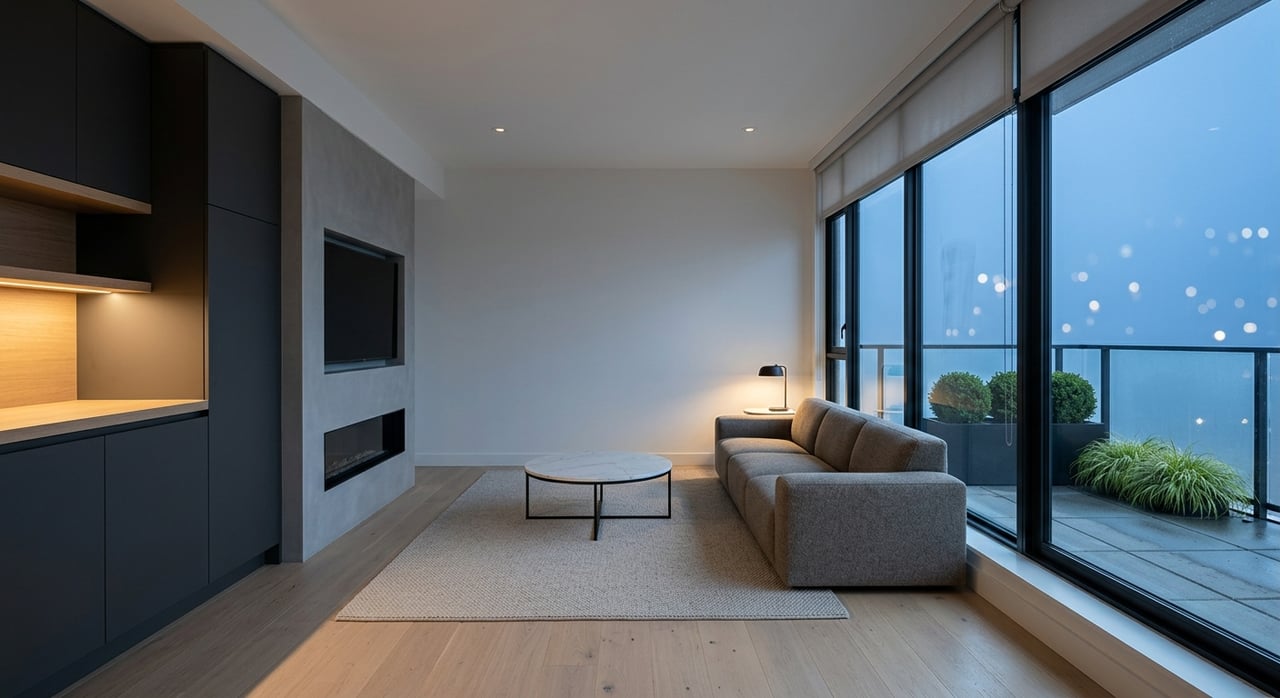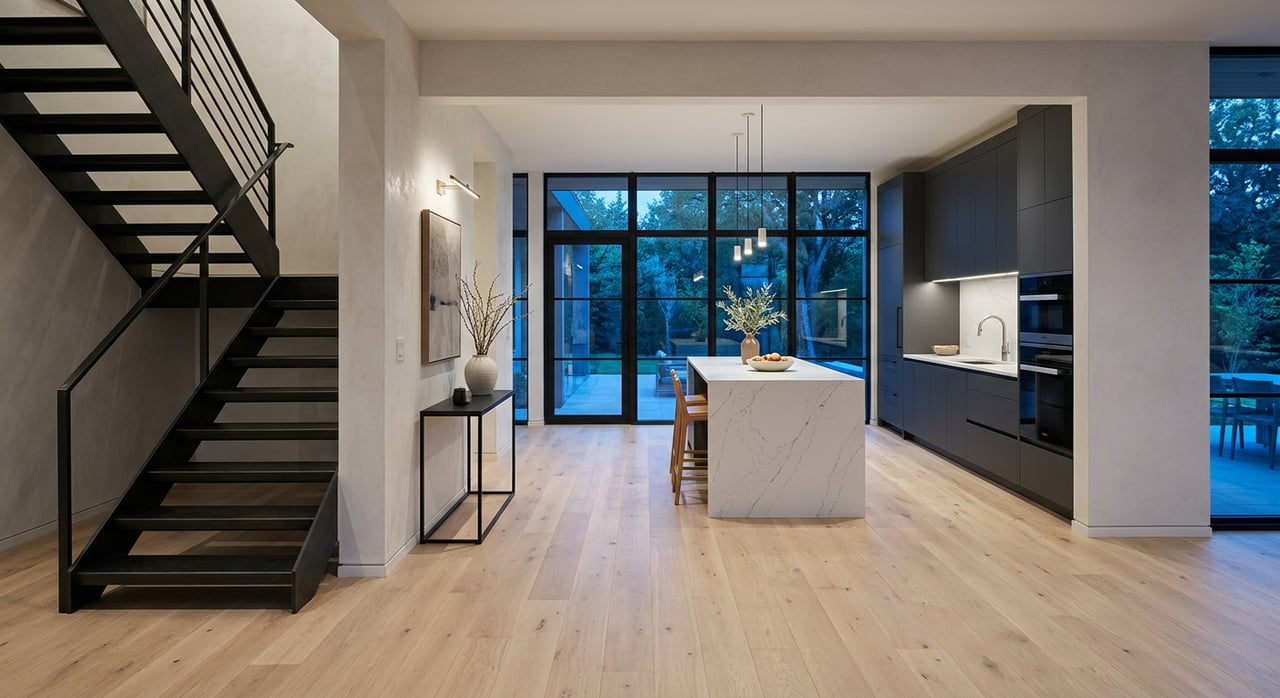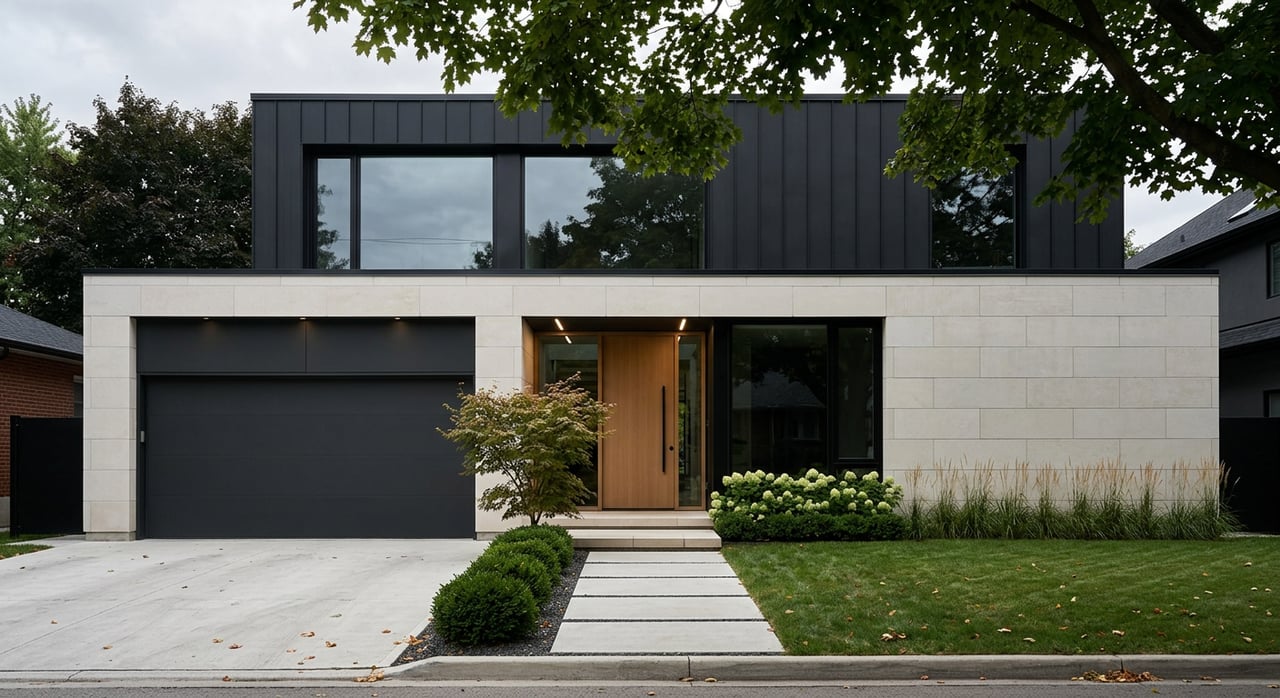
Planning a move to Toronto and eyeing Rosedale, but unsure how Canada’s foreign buyer rules affect you? You are not alone. The federal purchase prohibition has created confusion for many international relocators who still need a clear path to secure a home. In this guide, you will learn how the ban works, what to expect when renting in Rosedale, the documents you will need, and the steps to take from pre‑arrival to move‑in. Let’s dive in.
The federal ban in plain language
The federal Prohibition on the Purchase of Residential Property by Non‑Canadians restricts most non‑citizens and non‑permanent residents from buying residential property in major urban areas until January 1, 2027. It targets purchases, not rentals. In other words, this is a purchase ban, not a rental ban. You can still lease a home in Toronto, including Rosedale. The Department of Finance confirms the extension.
If you want the legal definitions and exemptions, review the Act and its Regulations on the Justice Laws website. These outline who is considered a non‑Canadian and the specific exemption criteria for some temporary residents. See the Act and the Regulations for the full details.
Rosedale rental market at a glance
Rosedale is a historic, low‑density neighborhood with tree‑lined streets and a high share of detached and semi‑detached homes. Rental stock is comparatively limited, with periodic offerings in heritage houses, select low‑rise buildings, and a few upscale condos. This mix means fewer listings and higher price points than many denser parts of Toronto. For a neighborhood overview, see Rosedale’s profile.
Across Canada, purpose‑built rental completions increased in 2024 and pushed vacancy rates higher from very tight levels. That has eased, but not erased, affordability pressures in larger cities. The trend was visible across major markets, including the Greater Toronto area, where tightness remains for in‑demand units. See the national vacancy trend summarized in this rental supply update.
Short‑term stays on arrival
Many newcomers book a short‑term furnished rental or corporate apartment for the first several weeks while they conduct in‑person viewings. In Toronto, short‑term rental operators must be registered and follow city rules, including the principal‑residence requirement. Before booking, verify the host’s registration and understand the rules on length of stay and taxes on the City of Toronto’s short‑term rental page.
What landlords expect from newcomers
Landlords commonly ask for a complete application package. If you are new to Canada and lack a local credit history, plan ahead to strengthen your file.
Typical documents requested:
- Government photo ID (passport, work or study permit, PR card when applicable)
- Proof of income (employment letter, job offer, recent pay stubs)
- Proof of funds (recent bank statements)
- References (previous landlord or employer)
- Credit check or equivalent financial verification
If you do not yet have local credit:
- Provide a Canadian guarantor or co‑signer, if available
- Show several months of bank statements and a formal employment offer
- Include reference letters from previous landlords abroad
For ideas on renting without local credit history, review this newcomer guidance from RBC.
Know your rights in Ontario
Ontario’s rental rules apply to all tenants, including newcomers. A few essentials can help you avoid surprises.
Deposits and fees:
- Landlords can only request a last month’s rent deposit and a refundable key deposit at actual replacement cost. Separate “security” or “damage” deposits are not allowed.
- Interest on the last month’s rent deposit must be paid annually at the provincial guideline rate.
- If you encounter illegal deposit requests, you can apply to the Landlord and Tenant Board. See the deposit rules from Community Legal Education Ontario.
Rent increases:
- Most units are subject to the provincial rent increase guideline. Landlords must give proper notice and follow the annual percentage limit unless the unit is exempt or they have approval. Check the current guideline on Ontario.ca.
Tenant protections and resources:
- Repairs, maintenance, entry notice, and dispute processes are set out in provincial law. Newcomers have the same protections as any tenant. Find an overview on Canada.ca’s renting guide for newcomers.
Rosedale search strategy that works
Because Rosedale has fewer rentals and faster decision cycles, preparation is your edge. Aim to tour early, apply fast with a complete package, and be clear about move‑in dates and lease terms.
Tips for a focused search:
- Target your unit type and budget before you arrive. Larger, family‑sized homes and properties near subway access often draw more competition.
- Bring printed and digital versions of your documents to show financial readiness.
- Confirm what is included in the rent. Clarify utilities, parking, storage, and maintenance expectations in writing.
- Arrange tenant insurance before move‑in. It is commonly required and protects your belongings and liability.
Step‑by‑step timeline for international renters
Pre‑arrival checklist:
- Research current asking rents for your exact unit type in Rosedale and nearby areas
- Open a Canadian bank account and line up proof of funds
- Collect documents: passport, status documents, job offer or employer letter, bank statements, references
- If possible, secure a Canadian guarantor
- Review newcomer administrative steps on the City of Toronto’s arrival checklist
First 2 to 12 weeks in Toronto:
- Book a compliant short‑term rental while you tour long‑term options in person
- Schedule multiple viewings per day and submit complete applications promptly
- Read the lease carefully and confirm deposit amounts comply with Ontario law using CLEO’s guidance
Before move‑in:
- Set up utilities and internet as needed
- Purchase tenant insurance and confirm coverage start date
- Inspect the unit and document its condition with photos
After move‑in:
- Keep copies of your lease, receipts, and any communication about repairs
- Track rent increase notices and compare them to the guideline on Ontario.ca
Planning for ownership later
If your long‑term goal is to buy, map out the timeline and eligibility. The federal purchase prohibition is currently extended to January 1, 2027, and it restricts most non‑citizens and non‑permanent residents from buying typical residential property in Toronto until then, unless you qualify for an exemption. Review the federal extension notice and the Act and Regulations for exact criteria as your status evolves.
When you are ready to begin a discreet, guided search in Rosedale or surrounding premium neighborhoods, connect with Jordan Grosman for local insight, negotiation strategy, and a seamless experience.
FAQs
What does Canada’s foreign buyer ban mean for renting in Toronto?
- The prohibition restricts many non‑residents from buying, but it does not apply to renting. You can lease a home in Rosedale while the ban is in effect. See the federal announcement for timing.
Are short‑term rentals in Toronto legal for newcomers?
- Yes, but operators must be registered and follow city rules, including the principal‑residence requirement. Verify registration numbers before booking on the City of Toronto’s short‑term rental page.
What documents do Toronto landlords typically ask from international renters?
- Expect photo ID, proof of income, proof of funds, references, and a credit check or equivalent. If you lack local credit, consider a guarantor and provide strong financial documentation. See newcomer tips from RBC.
How much can a landlord ask for a deposit in Ontario?
- Landlords can request only last month’s rent and a refundable key deposit at replacement cost. No separate damage or security deposits are allowed. Get details from CLEO.
Are rent increases capped in Ontario?
- Most units are subject to the annual rent increase guideline, and proper notice is required. Verify the current percentage on Ontario.ca.
What types of rentals are common in Rosedale, Toronto?
- Rosedale has a higher share of detached and semi‑detached homes, some low‑rise apartments, and select condos. Rentals are limited and tend to command premium pricing. Learn more about the area on Wikipedia.